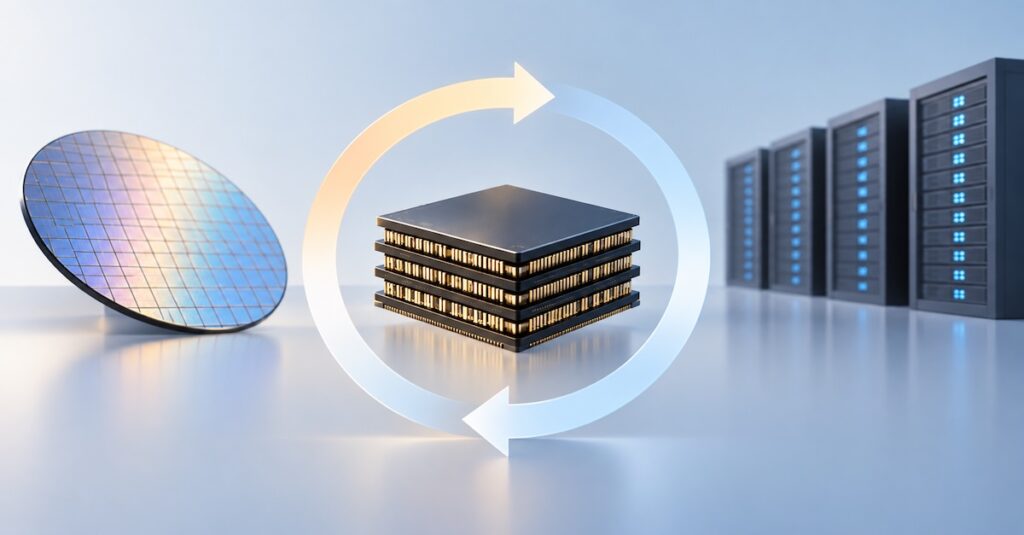
Image Generated With GPT Image 2.0
AI Is Bringing Memory Back
The semiconductor memory industry has always moved in cycles of strong demand, capacity expansion, oversupply, and correction. What makes the current cycle different is the scale of AI-driven demand, which is pushing memory back to the center of semiconductor growth.
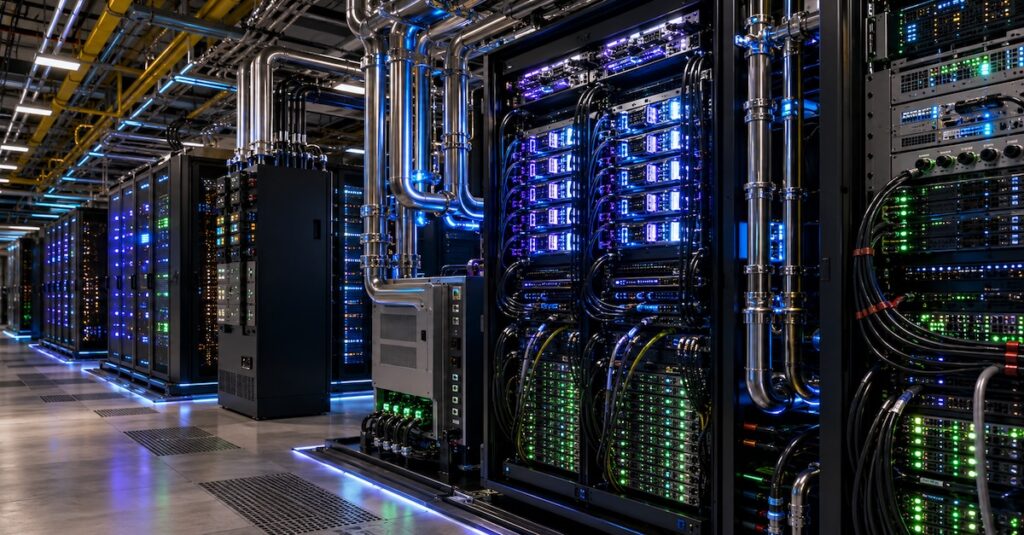
AI infrastructure requires far more memory than traditional computing platforms, with HBM, server DRAM, and enterprise SSDs becoming critical for training and inference workloads. As a result, memory is no longer viewed only as a supporting component, but as a key factor in system performance, power efficiency, and infrastructure cost.
The current memory upcycle is therefore more than a pricing recovery. AI is reshaping the strategic importance of memory, influencing capacity allocation, and changing the forces behind the semiconductor memory supercycle.
The Memory Technologies Powering The AI Era
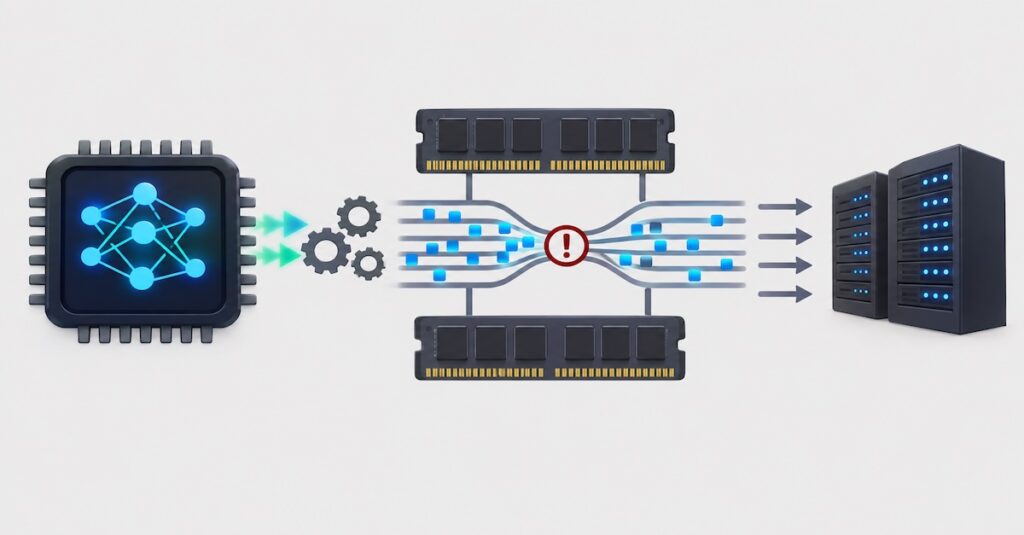
AI memory is often discussed through HBM, but modern AI infrastructure depends on several layers of memory and storage working together. HBM delivers the bandwidth needed by AI accelerators, DDR5 supports the broader server platform, and enterprise SSDs provide storage for models, datasets, and inference workloads.
As AI systems scale, pressure increases across this entire memory hierarchy because more compute is only useful when data can move fast enough. This is why HBM, server DRAM, and enterprise storage are all becoming increasingly important parts of AI infrastructure.
| Memory Technology | Role In AI Infrastructure | Main Industry Driver |
|---|---|---|
| HBM | High-speed memory for GPUs and AI accelerators | Increasing accelerator performance and bandwidth demand |
| DDR5 DRAM | Main memory for CPUs and AI servers | Larger server memory requirements |
| LPDDR | Power-efficient memory for edge and specialized systems | Growth of AI outside traditional data centers |
| NAND / Enterprise SSDs | Storage for datasets, models and inference | Rapid growth in AI-generated and AI-processed data |
| Next-Generation Memory | Future high-performance memory architectures | Need for greater bandwidth, capacity and efficiency |
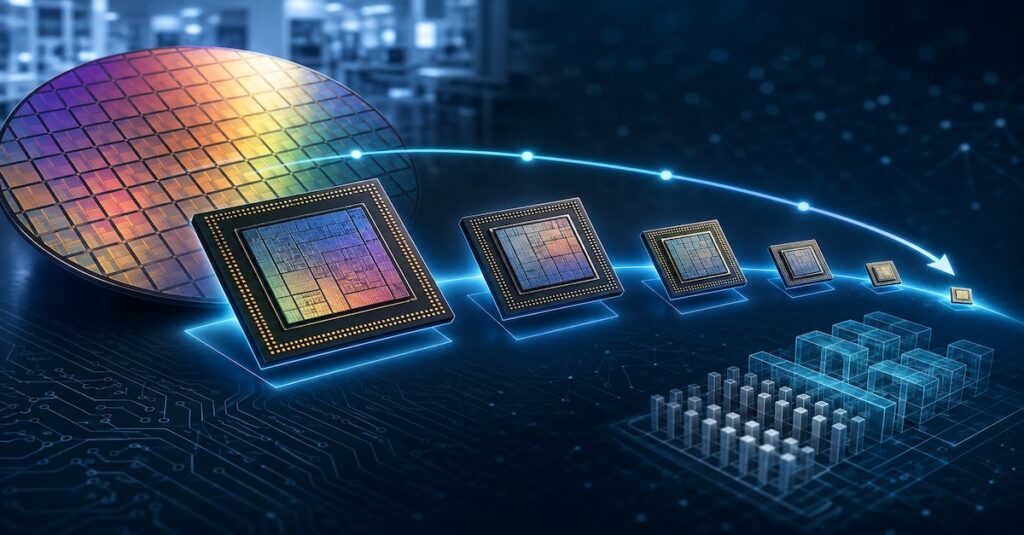
The shift from HBM3E to HBM4 shows how quickly memory is evolving for AI, with each generation delivering higher bandwidth, greater capacity, and better efficiency while also increasing dependence on advanced packaging and tighter processor integration.
As GPUs and custom AI chips become more powerful, memory must scale with them. This is pushing the industry toward a more integrated approach where compute, memory, packaging, and interconnect are designed as part of the same system.
Semiconductor Memory Supply Cannot Scale Overnight
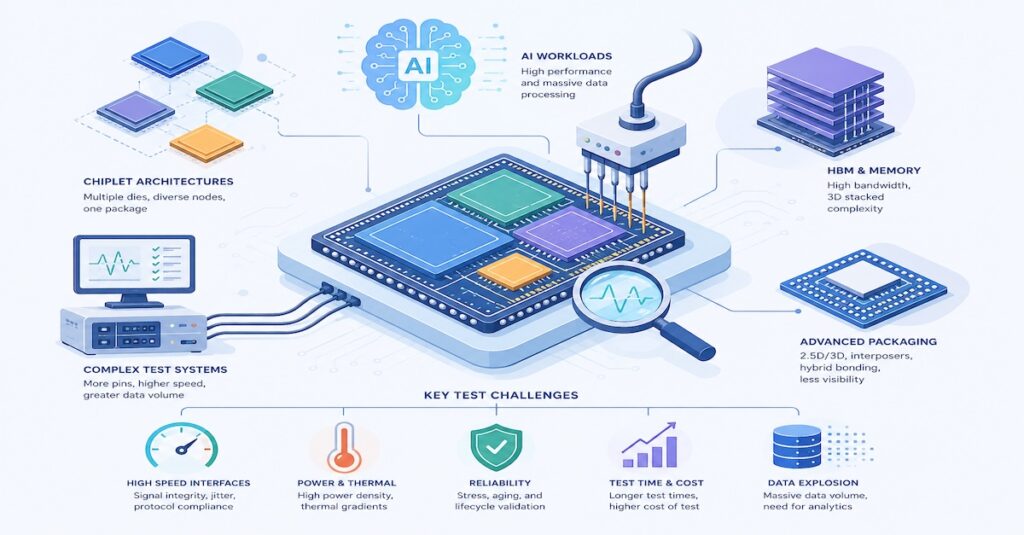
The current AI-driven memory cycle cannot be addressed simply by adding capacity, because advanced memory requires significant investment, long lead times, and more complex manufacturing and packaging. HBM is a clear example, as multiple dies must be stacked, packaged, tested, and qualified before they can be integrated with AI accelerators.
The shift toward HBM and server memory also affects conventional DRAM, since manufacturers have limited capacity and tend to prioritize higher-value products. This can tighten supply for PCs, smartphones, and other markets, allowing AI demand to influence memory pricing well beyond the data center.
Enterprise storage is seeing a similar effect as larger AI models, datasets, and inference workloads increase demand for SSD capacity. The challenge for memory suppliers is therefore to expand fast enough to capture AI growth without recreating the oversupply conditions that have historically ended memory booms.
Supercycle Or A New Memory Baseline?
The semiconductor memory industry will remain cyclical, as capacity expansion and technology improvements eventually bring supply closer to demand. However, AI is raising the baseline for memory consumption across HBM, server DRAM, and enterprise storage.
The growth of custom AI silicon could strengthen this shift further, as hyperscalers and semiconductor companies deploy more specialized accelerators that require high-bandwidth memory, advanced packaging, and larger supporting memory systems.
The next memory downturn will eventually come, but memory is likely to remain more strategically important than before the AI boom. AI may not eliminate the semiconductor memory cycle, but it is changing what drives it and how important memory has become to future computing systems.