The complexity of heterogeneous mobile platforms is growing at a rate faster than our ability to manage them optimally at runtime. For example, state-of-the-art systems-on-chip (SoCs) enable controlling the type (Big/Little), number, and frequency of active cores. Managing these platforms becomes challenging with the increase in the type, number, and supported frequency levels of the cores. However, existing solutions used in mobile platforms still rely on simple heuristics based on the utilization of cores. This paper presents a novel and practical imitation learning (IL) framework for dynamically controlling the type (Big/Little), number, and the frequencies of active cores in heterogeneous mobile processors. We present efficient approaches for constructing an Oracle policy to optimize different objective functions, such as energy and performance per Watt (PPW). The Oracle policies enable us to design low-overhead power management policies that achieve near-optimal performance matching the Oracle. Experiments on a commercial platform with 19 benchmarks show on an average 101% PPW improvement compared to the default interactive governor.
Dynamic Resource Management of Heterogeneous Mobile Platforms via Imitation Learning.
- | Published On:

Chetan Arvind Patil

Hi, I am Chetan Arvind Patil (chay-tun – how to pronounce), a semiconductor professional whose job is turning data into products for the semiconductor industry that powers billions of devices around the world. And while I like what I do, I also enjoy biking, working on few ideas, apart from writing, and talking about interesting developments in hardware, software, semiconductor and technology.
COPYRIGHT
2026
, CHETAN ARVIND PATIL
This work is licensed under a Creative Commons Attribution-NonCommercial-ShareAlike 4.0 International License. In other words, share generously but provide attribution.
DISCLAIMER
Opinions expressed here are my own and may not reflect those of others. Unless I am quoting someone, they are just my own views.
RECENT POSTS
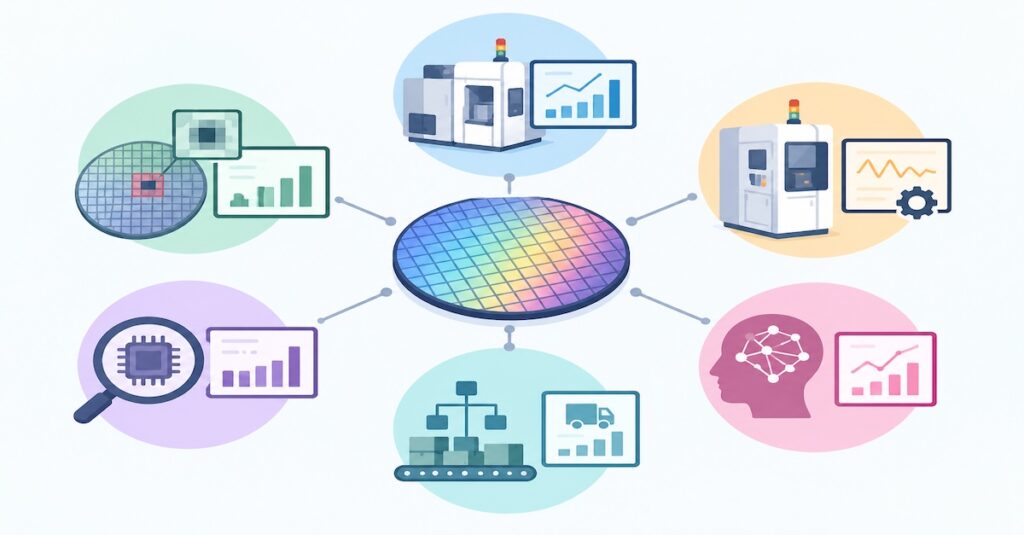
Image Generated With GPT Image 2.0 Semiconductor Data Analysis Tools Semiconductor manufacturing is one of the most data intensive industries
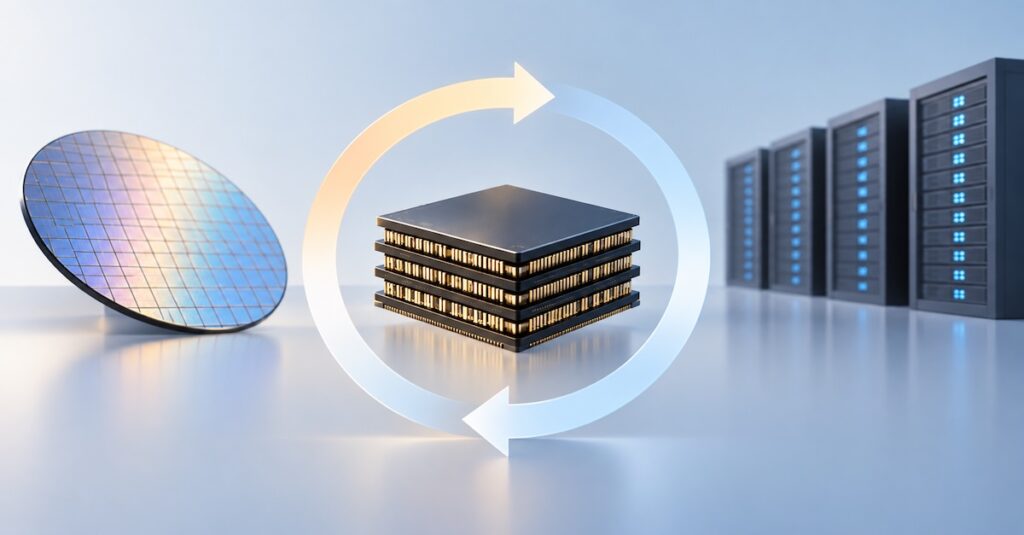
Image Generated With GPT Image 2.0 AI Is Bringing Memory Back The semiconductor memory industry has always moved in cycles

Image Generated With GPT Image 2.0 AI Infrastructure Is Becoming A System Problem Artificial intelligence is changing the way computing
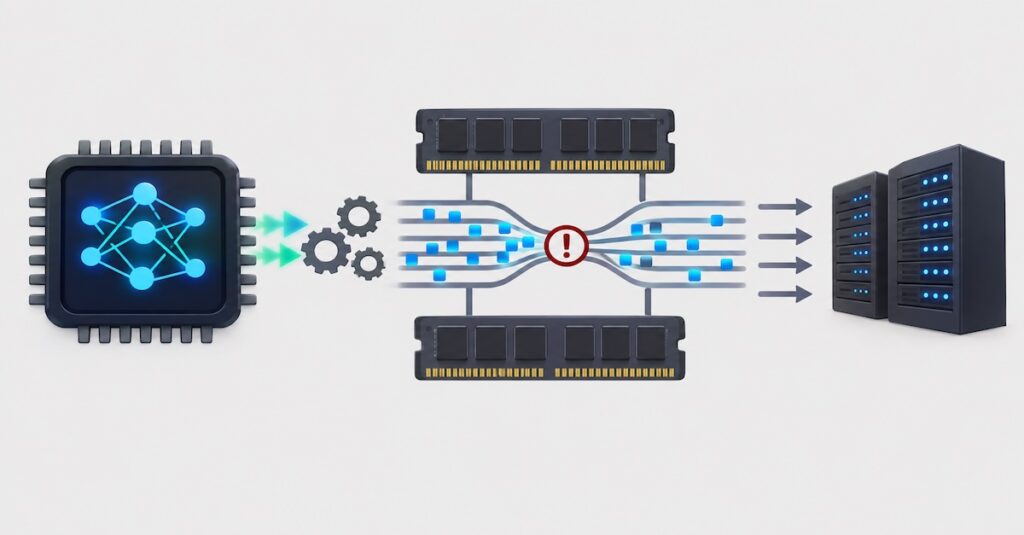
Image Generated With GPT Image 2.0 AI Compute Is Only As Fast As The Data Feeding It For decades, semiconductor
Image Generated With GPT Image 2.0 The End of Scaling as We Knew It For more than five decades, the
