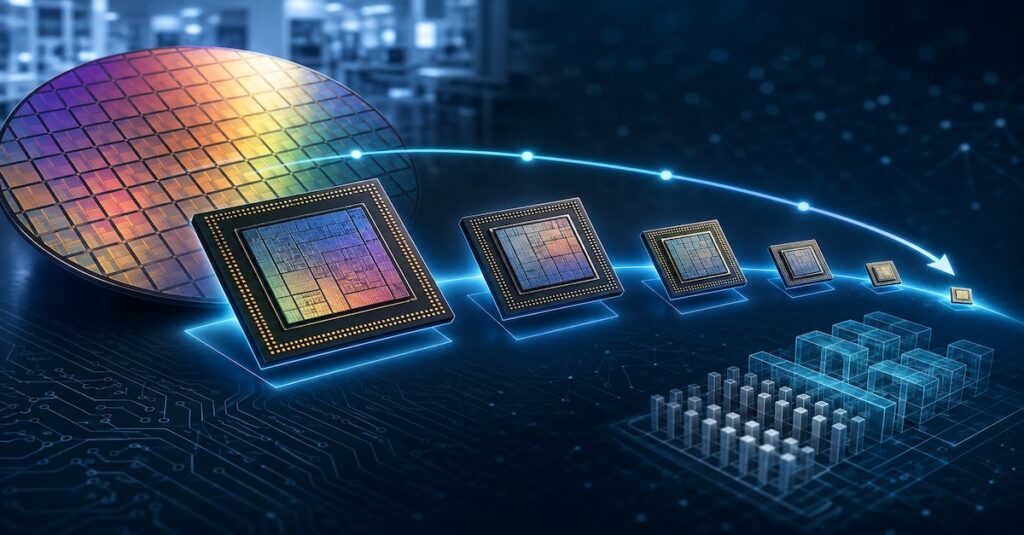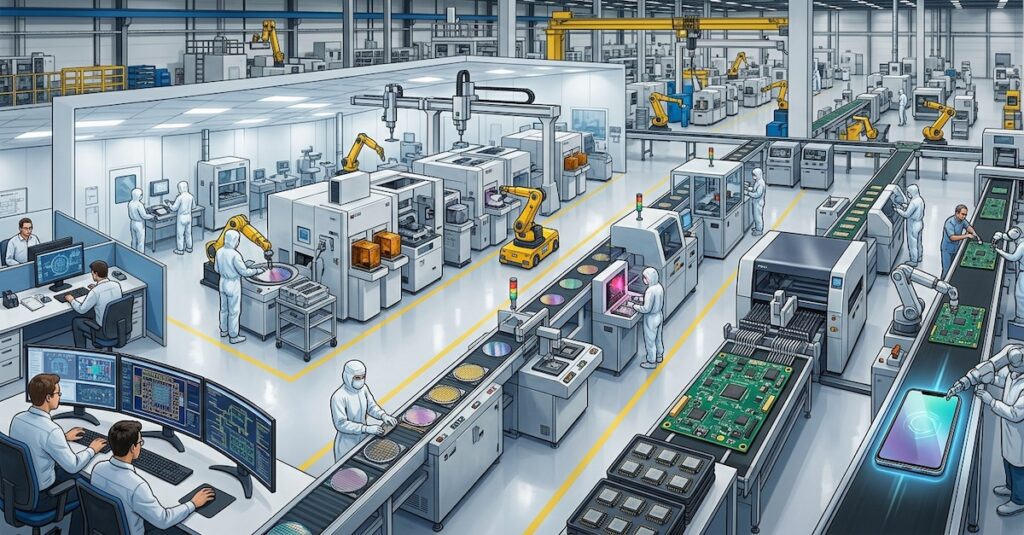
Image Generated Using Nano Banana
Vertical Integration In Semiconductors
Vertical integration in the semiconductor industry refers to the extent to which a company controls multiple stages of the value chain, including design, fabrication, packaging, test, and final system deployment. Traditionally, this involved owning and operating internal capabilities across these layers to optimize performance, cost, yield, and supply reliability.
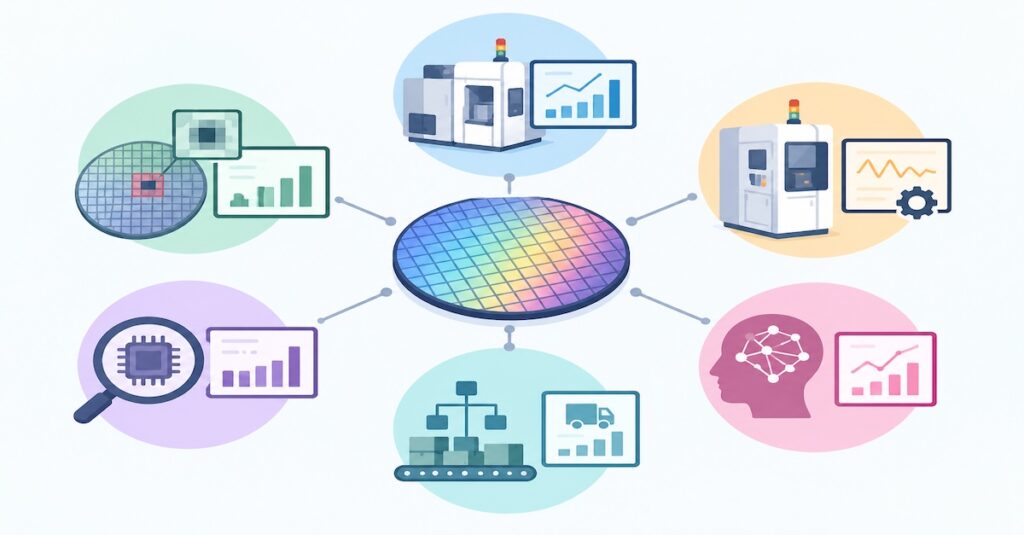
At its core, vertical integration focuses on reducing dependency on external entities while improving coordination across complex and interdependent processes. In semiconductor manufacturing, this coordination is essential because decisions made at each stage, including design, front end fabrication, assembly, and test, directly influence yield learning, parametric performance, reliability, and time to market.
In the current landscape, vertical integration is no longer defined solely by ownership of assets. It is increasingly characterized by the ability to coordinate and optimize interactions across the technology stack, even when different stages of the value chain are distributed across specialized ecosystem partners.
This shift is driven by the increasing complexity of semiconductor systems, where overall system performance, power efficiency, and cost are determined by cross domain co optimization rather than isolated improvements within individual stages.
Vertical Integration: Past, Present, And Future
In the past, vertical integration in the semiconductor industry was represented by the Integrated Device Manufacturer model, where companies performed design, wafer fabrication, assembly, and test within a single organization. This structure enabled tight control over technology development, process integration, and manufacturing execution, but required substantial capital investment, advanced process expertise, and large scale operational infrastructure.
Over time, the industry transitioned toward a more specialized and distributed model. Fabless companies focused on design and architecture, foundries specialized in wafer fabrication, and OSAT providers handled assembly and test. This disaggregation improved capital efficiency, accelerated innovation cycles, and allowed each segment to optimize for its specific technical and economic objectives.
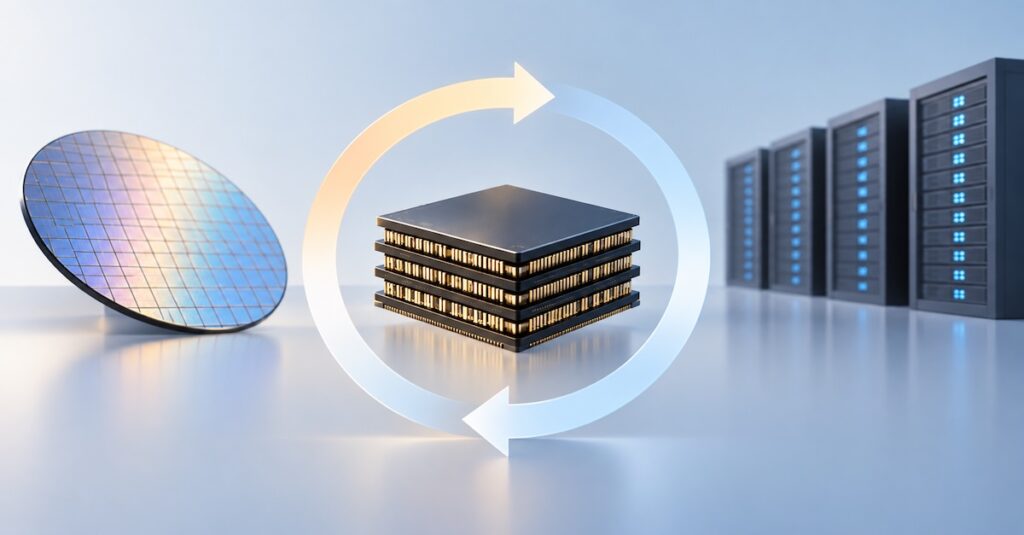
In the current phase, the industry is undergoing another structural shift. The increasing demands of AI workloads, along with the growing importance of advanced packaging and heterogeneous integration, are driving a partial return toward vertical integration in a different form. Rather than full ownership of the value chain, companies are selectively integrating critical layers to enable system level co optimization across design, manufacturing, packaging, and software.
Looking ahead, vertical integration is expected to evolve into a hybrid model characterized by selective capability ownership, tightly coupled ecosystem collaboration, and system level metrics driving decision making across all stages of the value chain. This evolution is not a return to monolithic structures but a transition toward adaptive, system oriented integration frameworks that balance internal control with external specialization.
Business Dynamics Of Vertical Integration
From a business perspective, vertical integration is no longer just an operational model. It is becoming a strategic control point for system level value creation. As semiconductor systems increase in complexity, the ability to coordinate across design, manufacturing, packaging, and deployment directly influences performance, total cost of ownership, and time to market.
This shift is fundamentally changing how value is captured in the industry. Instead of individual stages optimizing in isolation, companies are increasingly focused on end to end system efficiency, where trade offs between power, performance, cost, and yield are managed holistically. In this context, vertical integration serves as a mechanism to align technical decisions with broader business objectives.
| Driver | What Is Changing | Business Impact |
|---|---|---|
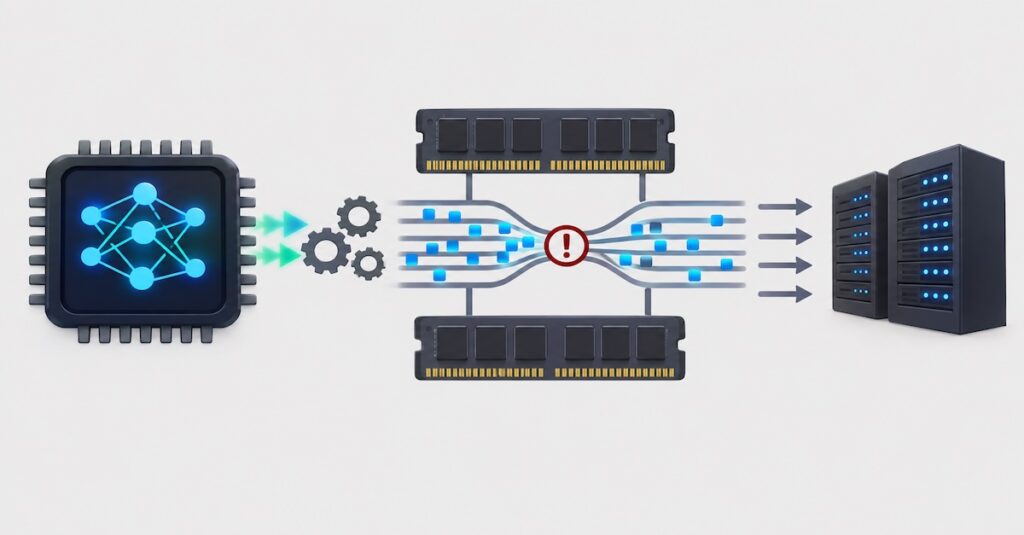
| Cost Optimization | Rising wafer costs at advanced nodes and increasing data movement overhead | Integration reduces inefficiencies across layers, lowering total system cost |
| Differentiation | Limits of transistor scaling shift focus to system-level innovation | Competitive advantage comes from integrating silicon, memory, packaging, and software |
| Supply Chain Strategy | Transition from transactional outsourcing to co-development ecosystems | Stronger partnerships improve yield, reduce risk, and accelerate time-to-market |
| Data Control | Explosion of test, manufacturing, and field data across lifecycle | Integrated data enables continuous optimization and predictive decision-making |
| Time-to-Market | Increasing design and manufacturing complexity | Coordinated integration shortens iteration cycles and improves execution speed |
Beyond these drivers, vertical integration is also reshaping how companies structure their ecosystems. Traditional boundaries between foundries, OSAT providers, and system companies are becoming less rigid, giving rise to deeply interconnected value chains. Success increasingly depends on how effectively these participants collaborate and share responsibility for system level outcomes.
Ultimately, the business value of vertical integration lies in control over system behavior rather than control over individual processes. Companies that can integrate decision making across the stack, while leveraging both internal capabilities and external partnerships, will be best positioned to optimize performance, manage costs, and sustain differentiation in an increasingly competitive semiconductor landscape.
Toward System-Orchestrated Integration
In all, the semiconductor industry is redefining vertical integration in response to increasing system complexity and evolving market demands. What was once a model based on ownership is now transforming into one based on orchestration and alignment across the value chain.
As the industry shifts from a silicon centric to a system centric paradigm, success will depend on the ability to coordinate across design, manufacturing, packaging, test, and deployment. This requires not only technological capability but also strong organizational alignment and ecosystem level integration.
Vertical integration, in its current form, is not about controlling every layer; it is about controlling the outcome of the system as a whole. Companies that can effectively orchestrate this integration will be best positioned to navigate the next phase of semiconductor innovation, where performance, efficiency, and scalability are defined at the system level rather than at the level of individual components.